The Power of the "Common" Investor
If you’ve ever felt intimidated by the jargon-heavy, high-speed world of professional finance, Peter Lynch has a surprising message for you: You already have the edge.
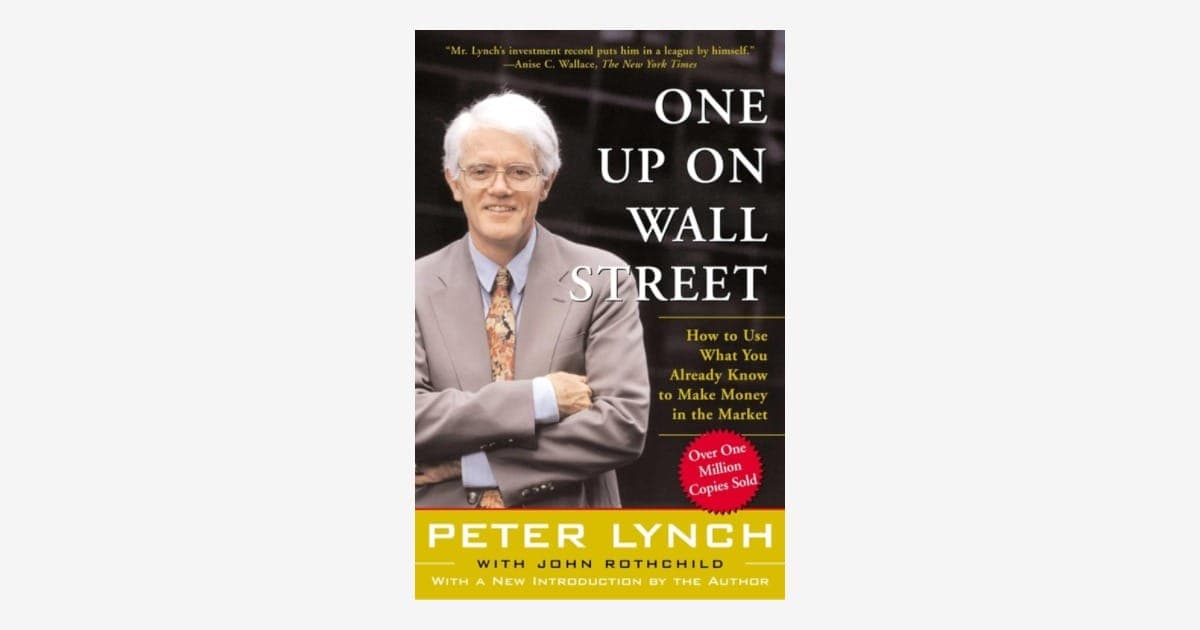
In One Up On Wall Street, legendary mutual fund manager Peter Lynch debunks the myth that you need a Wall Street pedigree to make money in the stock market. His central thesis is empowering and simple: "Invest in what you know."
Lynch argues that the average person encounters future success stories every day, at the mall, in the workplace, or at the grocery store, long before professional analysts notice them. By paying attention to the products and services you actually use and enjoy, you can find the next big winner (what he famously calls a "tenbagger") before the "smart money" catches on.
Key Concepts & Takeaways
1. The Six Categories of Stocks One of the most practical sections of the book is Lynch's classification system. He teaches you not to treat all stocks the same, but to categorize them to understand what to expect:
- Slow Growers: Safe, dividend-paying companies (often utilities).
- Stalwarts: Large, reliable giants (like Coca-Cola) that offer steady returns.
- Fast Growers: Small, aggressive companies with the potential for massive expansion.
- Cyclicals: Companies whose fortunes rise and fall with the economy (like autos or steel).
- Turnarounds: Battered companies with the potential to bounce back.
- Asset Plays: Companies sitting on valuable assets (cash, real estate) that the market has overlooked.
2. The "Tenbagger" Lynch coined this term to describe a stock that grows to 10 times its original purchase price. His hunt for tenbaggers is the driving force of the book, and he provides a roadmap for how to spot them early, usually by looking for companies with a niche, strong earnings growth, and a story that makes sense.
3. Ignore the Noise Lynch is adamant that trying to predict the direction of the economy or the stock market is a waste of time. Instead, he advises investors to ignore "hot tips" and market fluctuations, focusing entirely on the fundamentals of the specific companies they own.
What Works
- Accessibility: Lynch’s writing style is witty, self-deprecating, and incredibly easy to read. He avoids complex formulas in favor of "napkin math" that anyone can understand.
- Timeless Principles: Although the book was written in 1989, the core principles remain relevant. The specific companies he mentions may have changed (goodbye, Subaru; hello, Tesla), but the logic of buying undervalued, growing businesses remains the same. Markets provide us lessons no matter what the era.
- Empowerment: It shifts the mindset from "investing is gambling" to "investing is ownership." It gives the reader permission to trust their own eyes over a suit on CNBC.
What to Watch Out For
- It’s Not "Passive" Investing: This is not a book for someone who wants to dump money into an S&P 500 index fund and forget about it. Lynch advocates for active research—reading annual reports, checking P/E ratios, and monitoring earnings. It requires homework.
- Dated References: You will read a lot about Dunkin' Donuts, The Limited, and Chrysler. You’ll need to mentally translate these examples to modern equivalents.
One Up On Wall Street is widely considered a classic for a reason. It bridges the gap between Main Street and Wall Street, providing a psychological and practical toolkit for the individual investor.
If you are willing to do a little bit of homework and want to take control of your financial future by picking individual stocks, this is arguably the best starting point in the literary canon. Lynch is a legendary investor, like our other recommended authors.
Best For: Beginners to intermediate investors, bargain hunters, and anyone who loves a good underdog story.
Transparency Disclosure: This post contains affiliate links. As an Amazon Associate, we earn from qualifying purchases.

